
Hindu Gods(देवता)
Hindu Gods: The Divine Pantheon of Sanatana Dharma
Hinduism, one of the world's oldest religions, has a vast and diverse pantheon of gods and goddesses. Unlike monotheistic traditions, Hinduism embraces polytheism, monotheism, and non-dualism (Advaita Vedanta), recognizing that the Divine manifests in multiple forms while remaining one ultimate reality—Brahman.
Hindu deities represent various aspects of creation, preservation, destruction, and cosmic order, guiding devotees toward righteousness (Dharma) and spiritual liberation (Moksha).
1. The Trimurti: The Hindu Trinity
The Trimurti represents the three fundamental cosmic functions:
a. Brahma – The Creator
Role: Creator of the universe and knowledge.
Symbolism: Four heads (representing the Vedas), a lotus, and a water pot.
Consort: Saraswati, the goddess of wisdom and learning.
Worship: Though highly revered, Brahma has very few temples due to myths of his incomplete creation.
b. Vishnu – The Preserver
Role: Protector of cosmic order (Dharma) and preserver of the universe.
Symbolism: Four arms, holding a conch (Shankha), discus (Chakra), lotus (Padma), and mace (Gada).
Consort: Lakshmi, the goddess of wealth and prosperity.
Avatars: Vishnu incarnates whenever Dharma declines. His most famous avatars include:
Rama (Ramayana’s hero, embodiment of virtue).
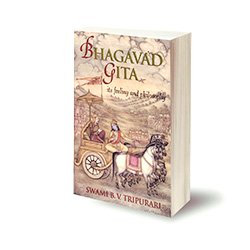
Krishna (Bhagavad Gita’s teacher, divine guide).
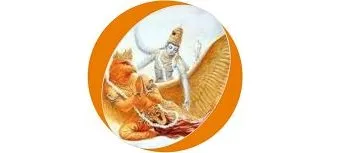
Narasimha (half-lion, half-man, protector of devotees).
Vamana, Parashurama, Buddha (in some traditions), and Kalki (future avatar).
c. Shiva – The Destroyer & Transformer
Role: Destroys evil and ignorance, enabling renewal.
Symbolism: Third eye (wisdom), Trishul (trident), Damru (drum), and snake (eternal time).
Consort: Parvati, also worshiped as Durga, Kali, and Shakti.
Forms:
Nataraja (cosmic dancer), symbolizing the rhythm of creation and destruction.
Mahadev (Supreme God), revered by Shaivites.
Ardhanarishvara (half-male, half-female form), representing Shiva and Shakti’s unity.
2. The Tridevi: The Divine Feminine Energy
Hinduism reveres the Divine Feminine (Shakti) as the source of power and balance. The Tridevi are:
a. Saraswati – Goddess of Knowledge & Arts
Attributes: Sits on a white lotus, plays the Veena (musical instrument).
Worship: Students, scholars, and artists seek her blessings.
Mantra: "Om Aim Saraswatyai Namah"
b. Lakshmi – Goddess of Wealth & Prosperity
Attributes: Gold coins flowing from her hands, seated on a lotus.
Worship: Especially revered during Diwali for wealth and success.
Mantra: "Om Shreem Mahalakshmyai Namah"
c. Parvati – Goddess of Power & Devotion
Forms:
Durga (Warrior goddess, slayer of demons).
Kali (Fierce form, destroyer of evil forces).
Annapurna (Giver of food and nourishment).
Worship: Associated with strength, motherhood, and transformation.
Mantra: "Om Hreem Parvatyai Namah"
3. Other Major Hindu Deities
a. Ganesha – The Remover of Obstacles
Attributes: Elephant-headed, carries a modak (sweet), broken tusk, and noose.
Worship: Before new beginnings, for wisdom and success.
Mantra: "Om Gan Ganapataye Namah"
b. Hanuman – The Divine Devotee of Rama
Attributes: Monkey-faced, mace in hand, heart revealing Rama and Sita.
Worship: Symbol of devotion, strength, and courage.
Mantra: "Om Hanumate Namah"
c. Kartikeya – The Warrior God
Attributes: Rides a peacock, wields a spear.
Worship: Revered in South India as Murugan.
Mantra: "Om Saravanabhavaya Namah"
d. Surya – The Sun God
Attributes: Rides a chariot with seven horses, holds lotus flowers.
Worship: Associated with energy, health, and light.
Mantra: "Om Suryaya Namah"
e. Chandra – The Moon God
Attributes: A crescent moon adorns his head.
Worship: Associated with emotions, time cycles, and prosperity.
4. Yama, Varuna, and Other Cosmic Deities
Yama – The god of death and justice, oversees karma and rebirth.
Varuna – The god of cosmic order and waters.
Vayu – The god of wind, associated with breath and life force.
Agni – The fire god, messenger of the gods.
Kubera – The god of wealth and treasures.
5. Regional & Folk Deities
Hinduism also embraces regional deities, including:
Jagannath (Orissa) – A form of Vishnu.
Vithoba (Maharashtra) – A form of Krishna.
Ayyappa (Kerala) – Son of Shiva and Vishnu (as Mohini).
Dattatreya – The combined incarnation of Brahma, Vishnu, and Shiva.
6. Hinduism's View on God: Beyond Forms
Hinduism teaches that gods are different aspects of one ultimate reality (Brahman).
Advaita Vedanta (Non-Dualism): The self (Atman) is one with Brahman.
Dvaita (Dualism): God and the soul are separate but connected.
Bhakti (Devotion): Worship of deities in love and surrender.
The Rigveda states: “Ekam Sat, Vipra Bahudha Vadanti” – Truth is One, but sages call it by many names.
Conclusion
Hinduism’s gods and goddesses offer a spiritual connection to cosmic energies. Whether as protectors, guides, or embodiments of divine wisdom, they inspire devotees to lead a righteous life and attain ultimate liberation (Moksha).